NEWS
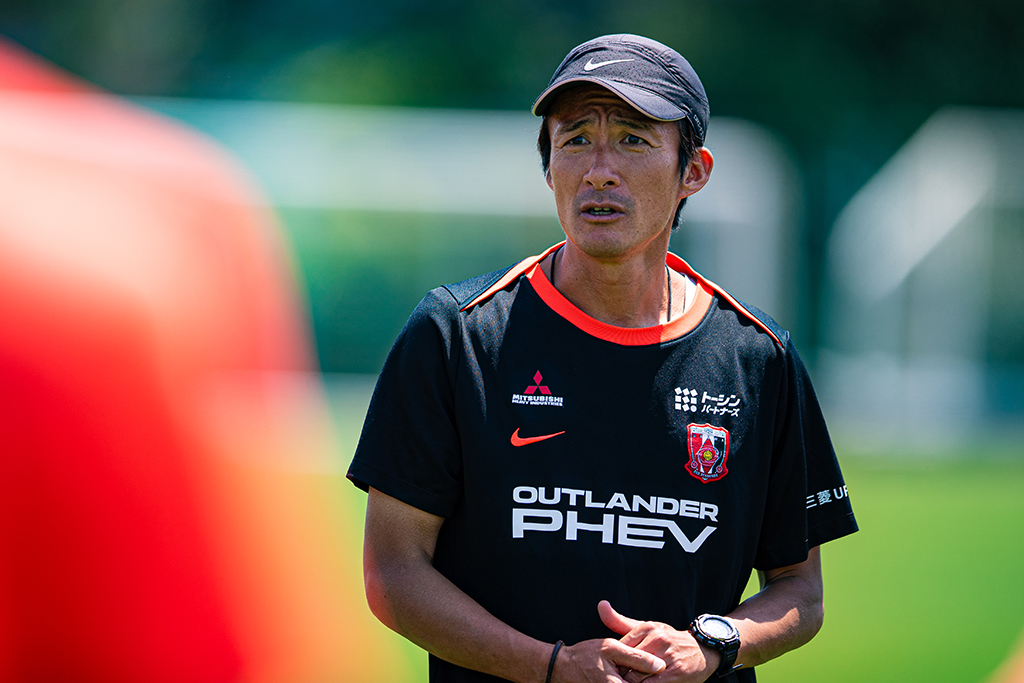
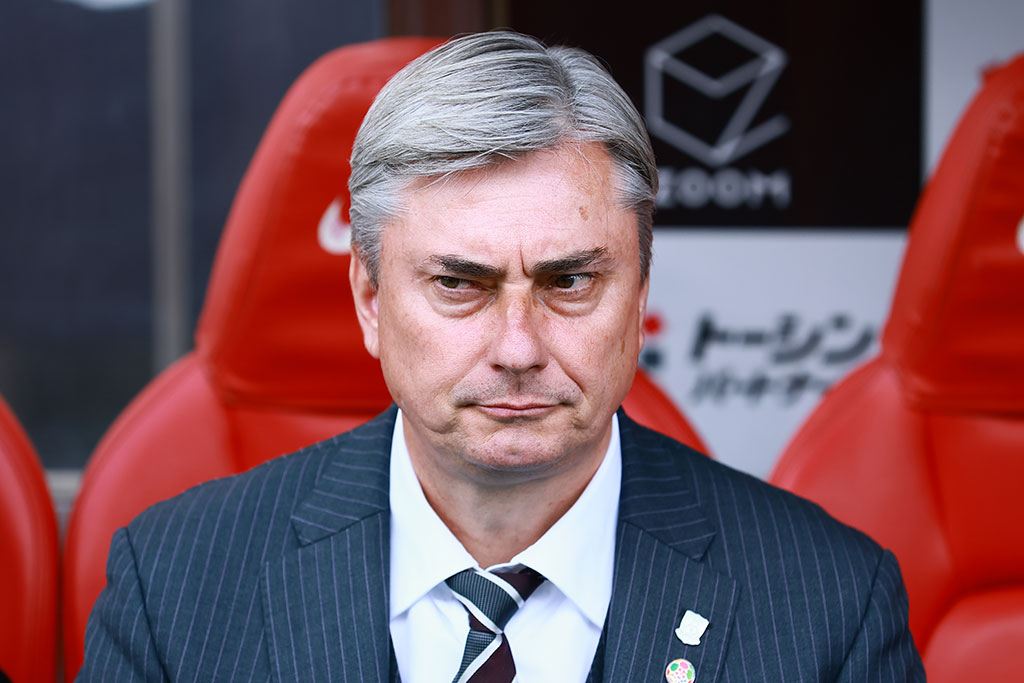
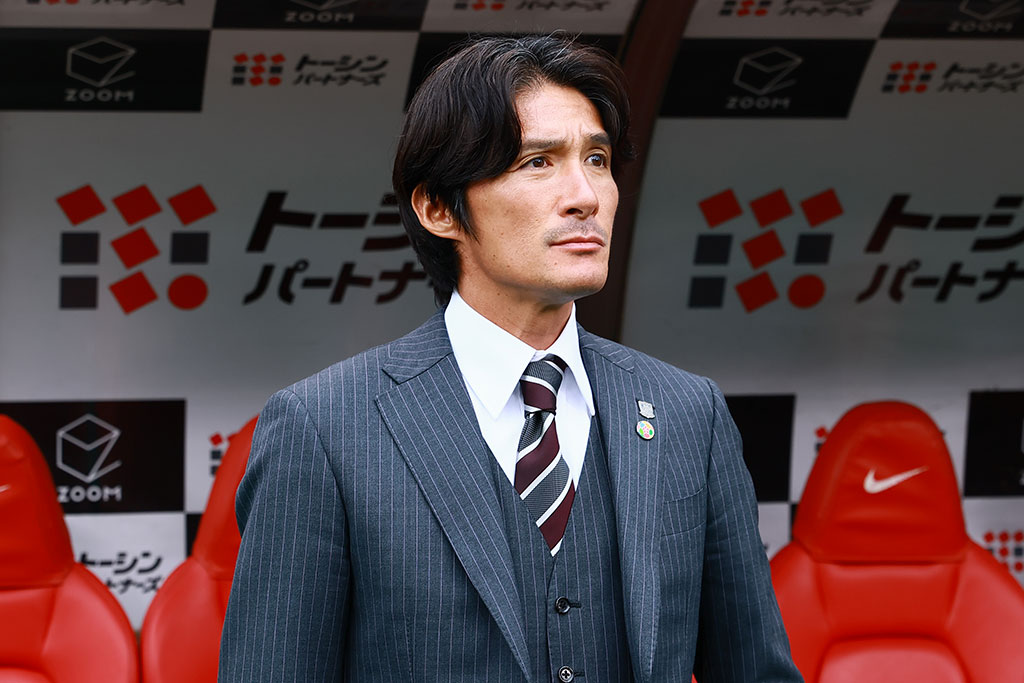
"I'm constantly communicating to the team how we should compete as a whole during training," said head coach Tatsuya Tanaka (regular press conference, May 20).
On the 20th, manager Tatsuya Tanaka held an online press conference where he spoke about his aspirations for the upcoming match against FC Machida Zelvia on Friday the 22nd at MUFG Stadium, which will be the 18th round MEIJI YASUDA J1 100 YEAR VISION LEAGUE.
(What are your impressions of Machida, and what are some points to be aware of?)
"First of all, the players are well aware of the high intensity of our play both offensively and defensively, and I also feel that aerial duels will be crucial for us."
(When the game is only played once a week, there will inevitably be players who are not on Trial roster, but I think the daily efforts of those players raise the overall strength of the team. How do you view the daily efforts of those players, Coach Tanaka?)
"You're absolutely right. At the beginning of each week, I always tell the players, 'Let's compete as a team.' So, while preparing for our opponents is important, I see the majority of the time as an opportunity to showcase our skills. Within that context, I'm incorporating some details into our training sessions, specifically for Machida-san."
(From what I hear from the players, I think the content of the meetings and the language used in press conferences are excellent. For example, instead of saying "the opponent will take control of the pace," you might say "the opponent will drag you into it," and I think you choose words that are easy to visualize. I've heard you read books, but is there anything you've consciously worked on regarding vocabulary or word choice since becoming a coach?)
"No, I don't have a very large vocabulary. I don't know many words, so I think simple words are easier for me to understand and follow. So, it's not like I have a large vocabulary."
(Machida is a team that plays most games with a three-man defense, and with Coach Tanaka accompanying the team as a coach this year, I imagine they've often felt that they didn't do well against teams with a three-man defense. Have you approached the players in any way regarding playing against a three-man defense, or are there any things you think they could do better if they did them this way?)
"I believe that breaking down a 3-man or 5-man defense is extremely difficult, not just for Urawa Reds, but throughout Japan and the world. So, of course, we worked on that this week. Also, as I've been saying from the beginning, by staying in Zone 3 for a long time, we increase the number of attacks, and I think that after losing the ball, we immediately win it back and the opponent's 5-man defense breaks down. So, while how to break them down is important, I'm emphasizing what happens after we win the ball back even more."
(Samuel Gustafson returned to the starting lineup in the match against Mito Hollyhock two rounds ago. There's no doubt he's a very talented player, but he was away for a long time. What are your thoughts on his condition, how he fits into the current team, and how you plan to utilize him?)
"Sam's passing technique, his ability to make one-touch plays from behind to attack the defense—he's a crucial player when it comes to moving the ball. So, when we use him in those situations, we have high expectations."
(This upcoming game will be at MUFG Stadium, which I believe will be your first time going there as a manager. Do you have any memories of the National Stadium from your playing days or anything like that?)
"The National Stadium I remember from my playing days isn't the same as the current National Stadium, but my debut match was at the National Stadium."
(The J1 100-Year Vision League has only one Trial left in the regional league round, and then it's on to the playoff round. It's a tricky time at the end of the season, and I imagine it's difficult for the players to stay motivated. What kind of support are you providing?)
"I haven't been working on that. Since I took over as manager, with eight Trial remaining, I've always focused on winning the next Trial and how we'll compete with each other in tomorrow's training. That hasn't changed. So, I've told the players what kind of look I want them to have when they come in tomorrow, and I haven't specifically said anything to them about motivation."
(Shoya Nakajima was suddenly left out of the squad for the last match against FC Tokyo. Was there some kind of accident?)
"It's the condition and the combination. Those two things."
(Some coaches wear tracksuits during Trial, while others wear suits, but why does Coach Tanaka wear a suit?)
"That's a team rule."
(Having gained various experiences in different roles, from your playing days and coaching youth teams, to your current position, do you notice any common characteristics among players who improve and develop?)
"I'm still relatively inexperienced as a coach, but in my experience as a coach so far, I've found that players who listen to me and come to me with various questions absorb what they learn, put it into practice, internalize it, and if they don't need it, they don't do it again. In that way, I believe that players like that will grow and broaden their range of play."
(Perhaps you yourself were like that?)
"I had an inferiority complex, so I wanted to ask questions and absorb as much as I could."
(I imagine you often talk with GK coach Hitoshi Shiota on the bench. What kind of person is he, and what kind of relationship do you have with him?)
"My primary role is, needless to say, working with Shiota-san to develop the overall goalkeeping aspects. As for set-piece defense and the attacks that follow, Shiota-san builds them to a certain extent and consults with me, and we exchange opinions, but it's not just between Shiota-san and me; all the coaches share information, and although there are some roles that each person has, we cross those boundaries and share our opinions."
(You and GK coach Shiota are the same age, but did you have any contact with each other?)
"Shiota-san was a year older than me, and we had the opportunity to do rehabilitation together when we were still active players."
(I understand the emphasis on defense and maintaining possession, but I feel the attack is a bit lacking. In particular, compared to the previous manager, there seems to be more reliance on individual players, the number of players in the penalty area doesn't increase when crosses are made, and the defensive midfielders don't penetrate the penalty area as much. I suppose some might say it's okay because they're still winning, but...?)
"As I mentioned earlier, I don't think building Zone 3 is easy. So, for now, we've come to the conclusion that we should focus on what we're doing now and how to utilize individual strengths. When a cross comes in, we need to get into the penalty area, and I'm also working on allocating players to Zones 2 and 1 to ensure a certain level of stability, so I think that's the next challenge. As I said before, we'll see how far we can push things and how things will change in the next week or two. Rather than confusing the players, we have a general framework, of course, but for now, we're working on it by letting the players make their own choices."
(The part about "confusing" is precisely because of the contract period, which I think is a tricky point, but there are also predictions that the players will be playing next season without Manager Tanaka. As someone who has played, I think I understand that knowing that a different manager will be coming next season means that the players have to think about various things, not just their motivation. That's where their doubts come in, and while you could say that as professionals they should focus on each Trial, the reality is that if they won't be playing under Manager Tanaka next season, it might be difficult for them to play now.)
"I believe that if I approach each and Trial Trial sincerity, that feeling will be conveyed to the players. So, as you said, nothing has been decided about next season, and it hasn't been decided who will be the manager. But, as you said, I feel that we are a group that operates because 'we are professionals.'"
(If you were at Teikyo High School, you would have played under Coach Sadao Konuma. Were there any influences, memorable words, or moments from such a renowned coach?)
"I've had the opportunity to play under many different managers. The most important thing I learned from all of that is to believe in people, to believe in the players. That's all there is to it."
(Which director said that?)
"It's the same with most managers. They trust us, so we trust them too. So now I trust my players and we'll fight in the next Trial. That's why I believe the players will also give their all in that Trial."
(Takeshi Wada has reached the final of the AFC U-17 Asian Cup Saudi Arabia 2026. As is typical for a Urawa Reds player, his penalty kick was saved, but do you have a message for Wada?)
"Please tell them, 'Come back having won the championship.'"
(Speaking of Coach Tatsuya Tanaka's time as a player, he once said that independent training was what made him a professional, so I think he really dedicated himself to it. Now that you're a coach and working with young players, what aspects of independent training do you think are important, and what kind of mindset do you want them to have when they approach it?)
"Independent training encompasses various physical aspects, but just like the question earlier about what kind of players develop, I believe that training done because you want to practice and do it personally is the most effective. So, rather than being forced to do it, I think you should go ahead and do the training you want to do, the training you do because you feel you are lacking in that area. If, in that case, it's a little too much from a medical standpoint, then you have to control it, and that's the only thing I pay attention to."
(During your time as an assistant coach at the Reds, especially during training camps, did you feel that the players were highly motivated, or were you encouraging them to be more motivated?)
"Rather than urging them to do more, I simply approached players who weren't getting enough training—for example, a player who only participated in one of two games—and asked, 'Do you want to do something?' Of course, I didn't want it to come across as coercion, so I approached them while considering what they needed."
(When you were an assistant coach, you had Maciej Skorza as manager, and I think he wanted you to work on things in your individual training that would be useful in the kind of football Maciej envisioned. Now that you're the manager, you might have specific skills you want the players to acquire to express what you want to express. How do you view the connection between individual training and acquiring skills that are useful within the team?)
"That's difficult. I think it's mostly about basic techniques. I think the individual training I'm doing now is mostly about improving accuracy in the fundamental aspects of soccer that every coach has. In particular, I have given the forwards some more detailed instructions on the timing of preparatory movements, but basically I was trying to do things that would suit any coach."
(Is this like general training?)
"yes"
[Urawa Reds Official Media (URD:OM)]
(What are your impressions of Machida, and what are some points to be aware of?)
"First of all, the players are well aware of the high intensity of our play both offensively and defensively, and I also feel that aerial duels will be crucial for us."
(When the game is only played once a week, there will inevitably be players who are not on Trial roster, but I think the daily efforts of those players raise the overall strength of the team. How do you view the daily efforts of those players, Coach Tanaka?)
"You're absolutely right. At the beginning of each week, I always tell the players, 'Let's compete as a team.' So, while preparing for our opponents is important, I see the majority of the time as an opportunity to showcase our skills. Within that context, I'm incorporating some details into our training sessions, specifically for Machida-san."
(From what I hear from the players, I think the content of the meetings and the language used in press conferences are excellent. For example, instead of saying "the opponent will take control of the pace," you might say "the opponent will drag you into it," and I think you choose words that are easy to visualize. I've heard you read books, but is there anything you've consciously worked on regarding vocabulary or word choice since becoming a coach?)
"No, I don't have a very large vocabulary. I don't know many words, so I think simple words are easier for me to understand and follow. So, it's not like I have a large vocabulary."
(Machida is a team that plays most games with a three-man defense, and with Coach Tanaka accompanying the team as a coach this year, I imagine they've often felt that they didn't do well against teams with a three-man defense. Have you approached the players in any way regarding playing against a three-man defense, or are there any things you think they could do better if they did them this way?)
"I believe that breaking down a 3-man or 5-man defense is extremely difficult, not just for Urawa Reds, but throughout Japan and the world. So, of course, we worked on that this week. Also, as I've been saying from the beginning, by staying in Zone 3 for a long time, we increase the number of attacks, and I think that after losing the ball, we immediately win it back and the opponent's 5-man defense breaks down. So, while how to break them down is important, I'm emphasizing what happens after we win the ball back even more."
(Samuel Gustafson returned to the starting lineup in the match against Mito Hollyhock two rounds ago. There's no doubt he's a very talented player, but he was away for a long time. What are your thoughts on his condition, how he fits into the current team, and how you plan to utilize him?)
"Sam's passing technique, his ability to make one-touch plays from behind to attack the defense—he's a crucial player when it comes to moving the ball. So, when we use him in those situations, we have high expectations."
(This upcoming game will be at MUFG Stadium, which I believe will be your first time going there as a manager. Do you have any memories of the National Stadium from your playing days or anything like that?)
"The National Stadium I remember from my playing days isn't the same as the current National Stadium, but my debut match was at the National Stadium."
(The J1 100-Year Vision League has only one Trial left in the regional league round, and then it's on to the playoff round. It's a tricky time at the end of the season, and I imagine it's difficult for the players to stay motivated. What kind of support are you providing?)
"I haven't been working on that. Since I took over as manager, with eight Trial remaining, I've always focused on winning the next Trial and how we'll compete with each other in tomorrow's training. That hasn't changed. So, I've told the players what kind of look I want them to have when they come in tomorrow, and I haven't specifically said anything to them about motivation."
(Shoya Nakajima was suddenly left out of the squad for the last match against FC Tokyo. Was there some kind of accident?)
"It's the condition and the combination. Those two things."
(Some coaches wear tracksuits during Trial, while others wear suits, but why does Coach Tanaka wear a suit?)
"That's a team rule."
(Having gained various experiences in different roles, from your playing days and coaching youth teams, to your current position, do you notice any common characteristics among players who improve and develop?)
"I'm still relatively inexperienced as a coach, but in my experience as a coach so far, I've found that players who listen to me and come to me with various questions absorb what they learn, put it into practice, internalize it, and if they don't need it, they don't do it again. In that way, I believe that players like that will grow and broaden their range of play."
(Perhaps you yourself were like that?)
"I had an inferiority complex, so I wanted to ask questions and absorb as much as I could."
(I imagine you often talk with GK coach Hitoshi Shiota on the bench. What kind of person is he, and what kind of relationship do you have with him?)
"My primary role is, needless to say, working with Shiota-san to develop the overall goalkeeping aspects. As for set-piece defense and the attacks that follow, Shiota-san builds them to a certain extent and consults with me, and we exchange opinions, but it's not just between Shiota-san and me; all the coaches share information, and although there are some roles that each person has, we cross those boundaries and share our opinions."
(You and GK coach Shiota are the same age, but did you have any contact with each other?)
"Shiota-san was a year older than me, and we had the opportunity to do rehabilitation together when we were still active players."
(I understand the emphasis on defense and maintaining possession, but I feel the attack is a bit lacking. In particular, compared to the previous manager, there seems to be more reliance on individual players, the number of players in the penalty area doesn't increase when crosses are made, and the defensive midfielders don't penetrate the penalty area as much. I suppose some might say it's okay because they're still winning, but...?)
"As I mentioned earlier, I don't think building Zone 3 is easy. So, for now, we've come to the conclusion that we should focus on what we're doing now and how to utilize individual strengths. When a cross comes in, we need to get into the penalty area, and I'm also working on allocating players to Zones 2 and 1 to ensure a certain level of stability, so I think that's the next challenge. As I said before, we'll see how far we can push things and how things will change in the next week or two. Rather than confusing the players, we have a general framework, of course, but for now, we're working on it by letting the players make their own choices."
(The part about "confusing" is precisely because of the contract period, which I think is a tricky point, but there are also predictions that the players will be playing next season without Manager Tanaka. As someone who has played, I think I understand that knowing that a different manager will be coming next season means that the players have to think about various things, not just their motivation. That's where their doubts come in, and while you could say that as professionals they should focus on each Trial, the reality is that if they won't be playing under Manager Tanaka next season, it might be difficult for them to play now.)
"I believe that if I approach each and Trial Trial sincerity, that feeling will be conveyed to the players. So, as you said, nothing has been decided about next season, and it hasn't been decided who will be the manager. But, as you said, I feel that we are a group that operates because 'we are professionals.'"
(If you were at Teikyo High School, you would have played under Coach Sadao Konuma. Were there any influences, memorable words, or moments from such a renowned coach?)
"I've had the opportunity to play under many different managers. The most important thing I learned from all of that is to believe in people, to believe in the players. That's all there is to it."
(Which director said that?)
"It's the same with most managers. They trust us, so we trust them too. So now I trust my players and we'll fight in the next Trial. That's why I believe the players will also give their all in that Trial."
(Takeshi Wada has reached the final of the AFC U-17 Asian Cup Saudi Arabia 2026. As is typical for a Urawa Reds player, his penalty kick was saved, but do you have a message for Wada?)
"Please tell them, 'Come back having won the championship.'"
(Speaking of Coach Tatsuya Tanaka's time as a player, he once said that independent training was what made him a professional, so I think he really dedicated himself to it. Now that you're a coach and working with young players, what aspects of independent training do you think are important, and what kind of mindset do you want them to have when they approach it?)
"Independent training encompasses various physical aspects, but just like the question earlier about what kind of players develop, I believe that training done because you want to practice and do it personally is the most effective. So, rather than being forced to do it, I think you should go ahead and do the training you want to do, the training you do because you feel you are lacking in that area. If, in that case, it's a little too much from a medical standpoint, then you have to control it, and that's the only thing I pay attention to."
(During your time as an assistant coach at the Reds, especially during training camps, did you feel that the players were highly motivated, or were you encouraging them to be more motivated?)
"Rather than urging them to do more, I simply approached players who weren't getting enough training—for example, a player who only participated in one of two games—and asked, 'Do you want to do something?' Of course, I didn't want it to come across as coercion, so I approached them while considering what they needed."
(When you were an assistant coach, you had Maciej Skorza as manager, and I think he wanted you to work on things in your individual training that would be useful in the kind of football Maciej envisioned. Now that you're the manager, you might have specific skills you want the players to acquire to express what you want to express. How do you view the connection between individual training and acquiring skills that are useful within the team?)
"That's difficult. I think it's mostly about basic techniques. I think the individual training I'm doing now is mostly about improving accuracy in the fundamental aspects of soccer that every coach has. In particular, I have given the forwards some more detailed instructions on the timing of preparatory movements, but basically I was trying to do things that would suit any coach."
(Is this like general training?)
"yes"
[Urawa Reds Official Media (URD:OM)]
Related article
-

- Training match vs. Meiji University: Trial results
- We would like to inform you of the results of Trial training match against Meiji University that took place on the 19th.
-
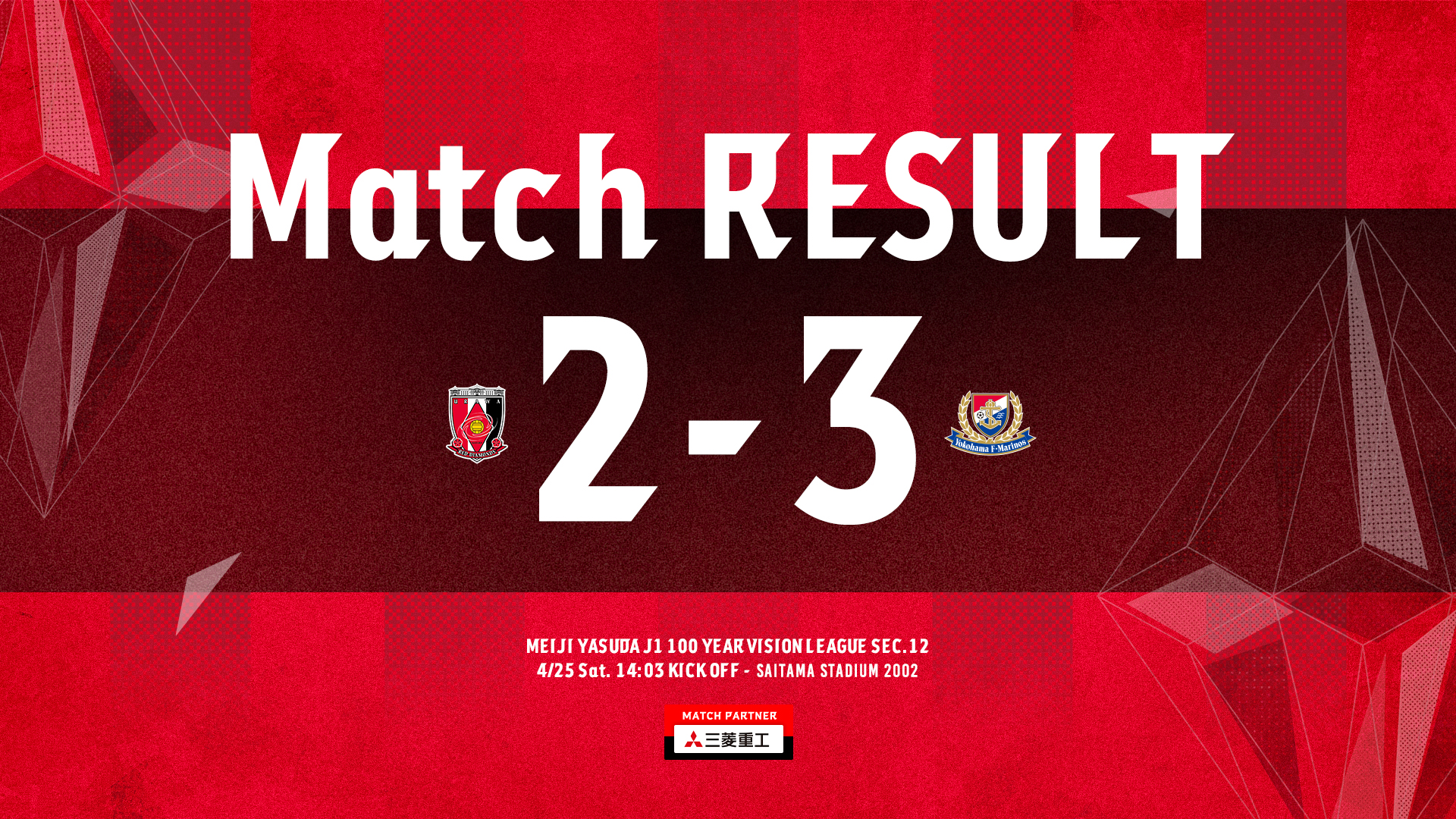
- MEIJI YASUDA J1 100 YEAR VISION LEAGUE Regional League Round 12 vs Yokohama F・Marinos Trial Result
- (Sat), the 25th, at Saitama Stadium, the 'MEIJI YASUDA J1 100 YEAR VISION LEAGUE Round 12 vs Yokohama F・Marinos' [MATCH PARTNER: Mitsubishi Heavy Industries]...
-
- Manager Maciej Skorza: Post-Trial press conference against Yokohama F. Marinos
- MEIJI YASUDA J1 100 YEAR VISION LEAGUE Regional League Round 12 vs. Yokohama F・Marinos [MATCH PARTNER: Mitsubishi Heavy Industries] Post-Trial comments
-
- Ishihara: "We have no choice but to overcome this together and take it one Trial at a time so that we can improve even a little."
- On the 25th, after MEIJI YASUDA J1 100 YEAR VISION LEAGUE Round 12 match against Yokohama F・Marinos [MATCH PARTNER: Mitsubishi Heavy Industries], Hirokazu Ishihara reflected on Trial and spoke about the future…
-
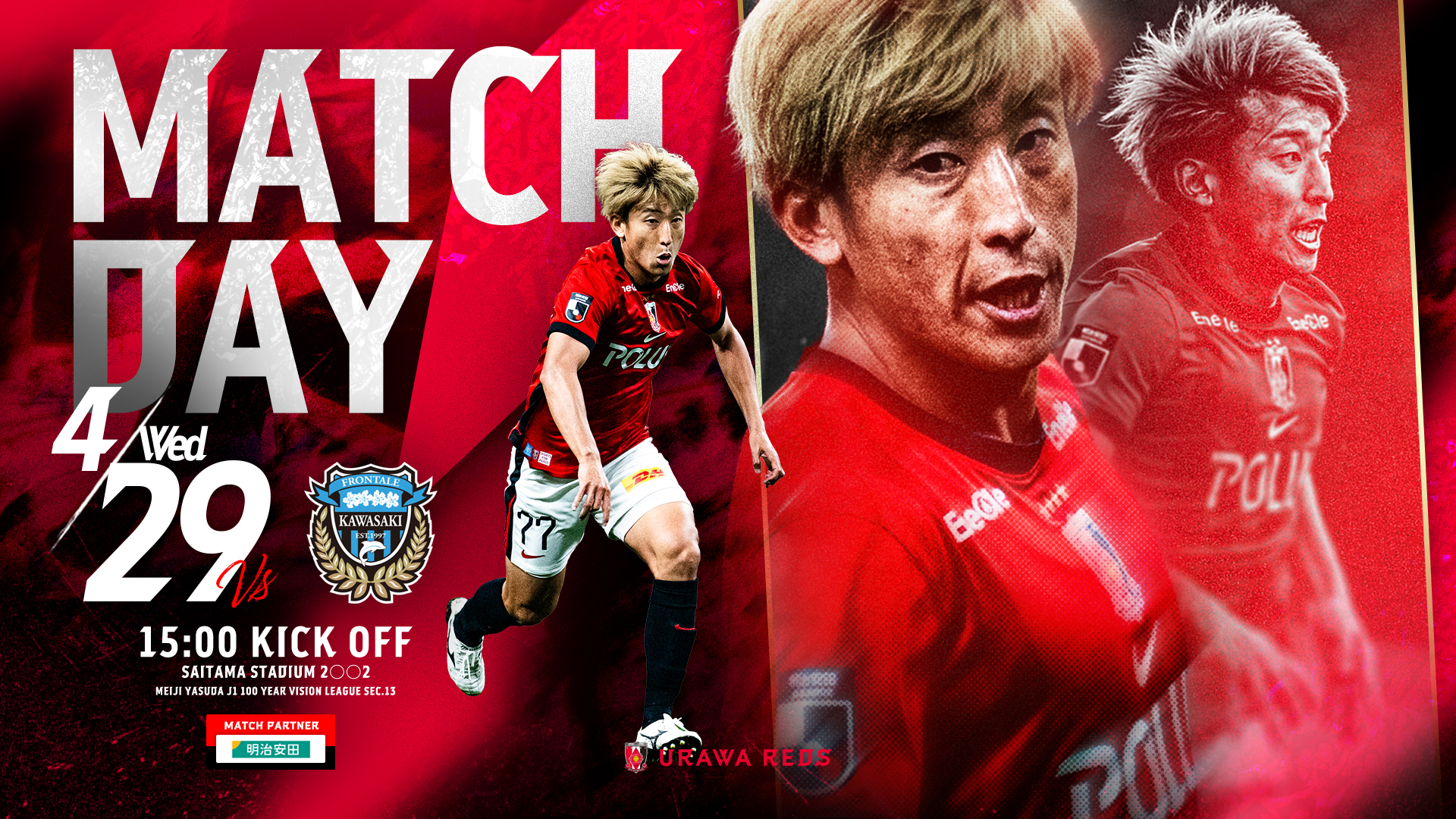
- MEIJI YASUDA J1 100 YEAR VISION LEAGUE Regional League Round 13 vs Kawasaki Frontale Trial Information
- On Wednesday, the 29th (national holiday), the 'MEIJI YASUDA J1 100 YEAR VISION LEAGUE Round 13 vs Kawasaki Frontale' will be held at Saitama Stadium. [MATCH PARTNER Meiji Yasuda] ...
-
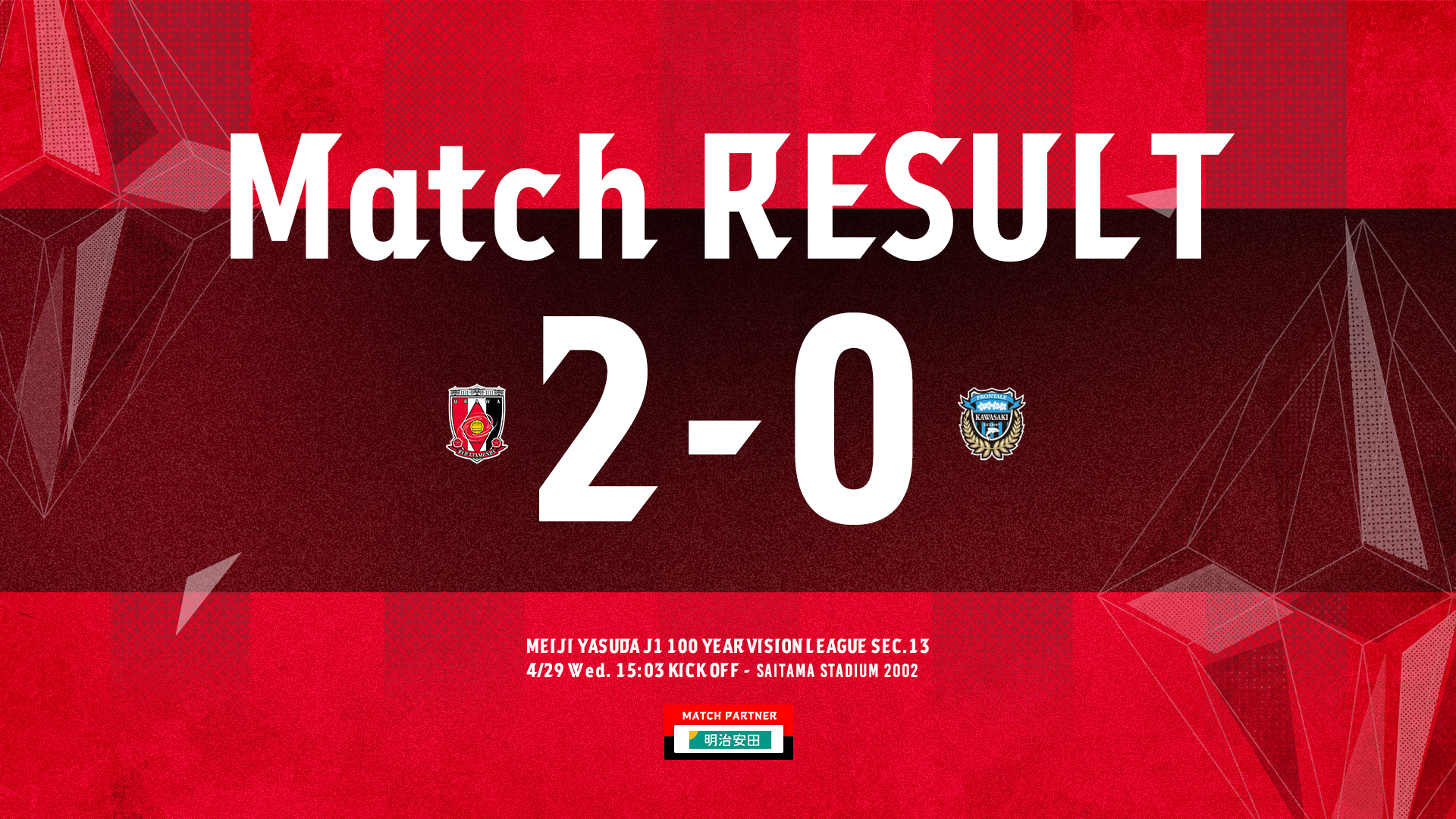
- MEIJI YASUDA J1 100 YEAR VISION LEAGUE Regional League Round 13 vs Kawasaki Frontale Trial Result
- On Wednesday, the 29th (national holiday), the 'MEIJI YASUDA J1 100 YEAR VISION LEAGUE Round 13 vs Kawasaki Frontale' was held at Saitama Stadium. [MATCH PARTNER Meiji Yasuda...]
-
- Manager Tatsuya Tanaka's post-match press conference after the Kawasaki Trial.
- MEIJI YASUDA J1 100 YEAR VISION LEAGUE Regional League Round 13 vs. Kawasaki Frontale [MATCH PARTNER Meiji Yasuda] Post-Trial comments
-
- Nishikawa: "I want to continue fighting with the joy and pride of being able to fight while wearing this emblem."
- On the 29th, after MEIJI YASUDA J1 100 YEAR VISION LEAGUE Round 13 match Kawasaki Frontale [MATCH PARTNER Meiji Yasuda], Clean Sea contributed to the team's first victory in 8 Trial …




![Partner Sales Representative [Official] X](https://www.urawa-reds.co.jp/wp-content/themes/reds2019/img/banner/partner_x_bnr.jpg.jpg)